age 4

The suit photo is not meant to be deep. It just shows an old pattern: presentation mattered to me before I had serious words for it.
 Aaryan

self-taught / mumbai / 19
I build AI agents, local inference tools, and ML systems from scratch. I write about the mechanisms, bugs, and lessons along the way.
story
Not a resume. Just the years that kept repeating the same loop: move first, learn alone, build the mechanism, make the proof visible.
age 4
The suit photo is not meant to be deep. It just shows an old pattern: presentation mattered to me before I had serious words for it.
2017 / age 10

Calling restaurants to order food. Leading school teams. Jumping into projects before anyone assigned me a role. It was not a grand plan. Just the habit of moving first.
2017
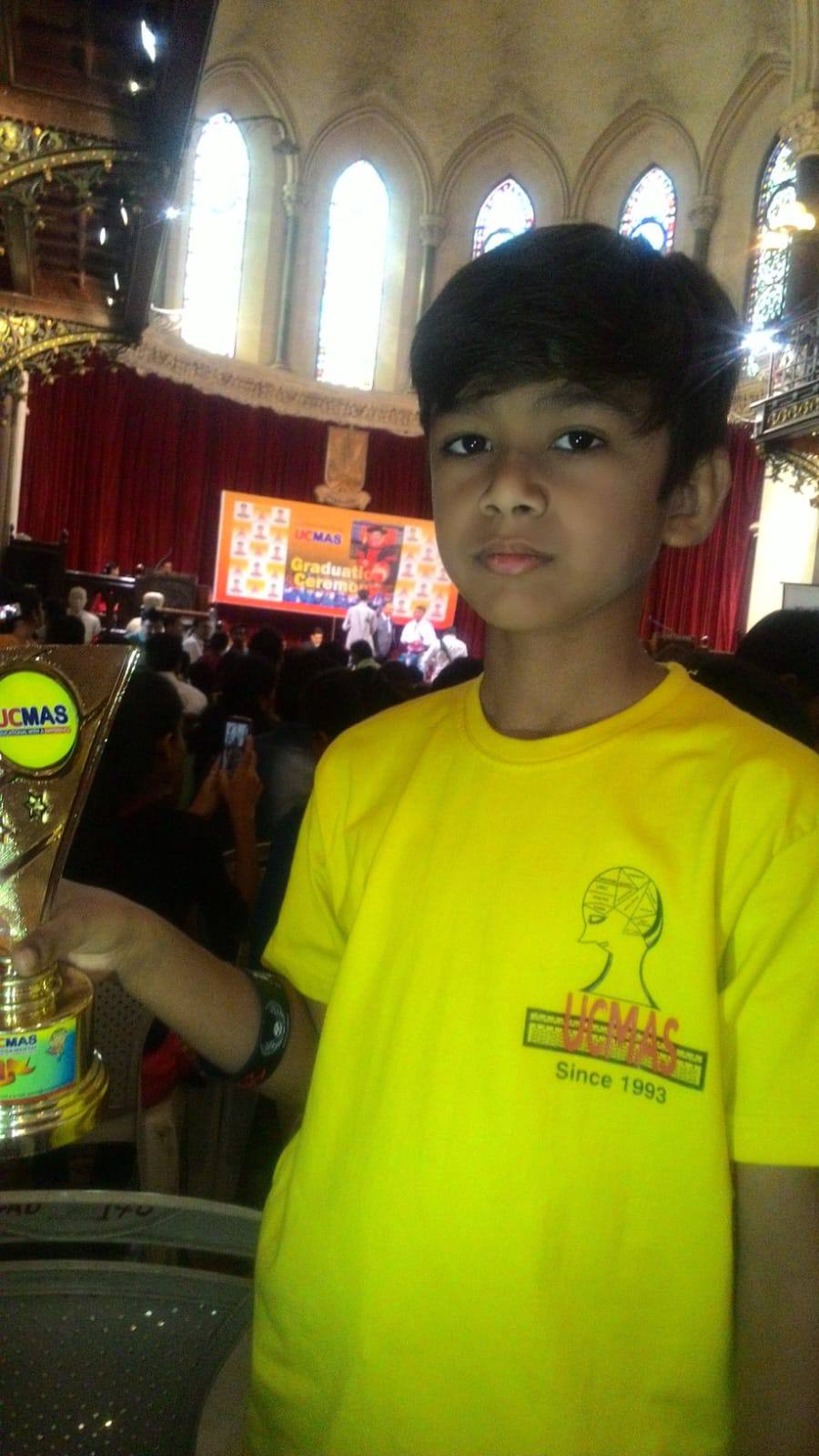
The UCMAS trophy is not the point. The useful part is simpler: I liked patterns, mental math, and the feeling of working through a problem.
2017

Cycle stunts, trees, monkey bars, whatever looked climbable. None of this needs a thesis. It was just the physical side of the same restlessness.
2019

Nashik with my grandma. Soil, open space, family roots. A useful counterweight before everything became screens, charts, code, and papers.
2019

The old push-up clip says enough. Later it became training. Early on it was just energy looking for a place to go.
2020-2021
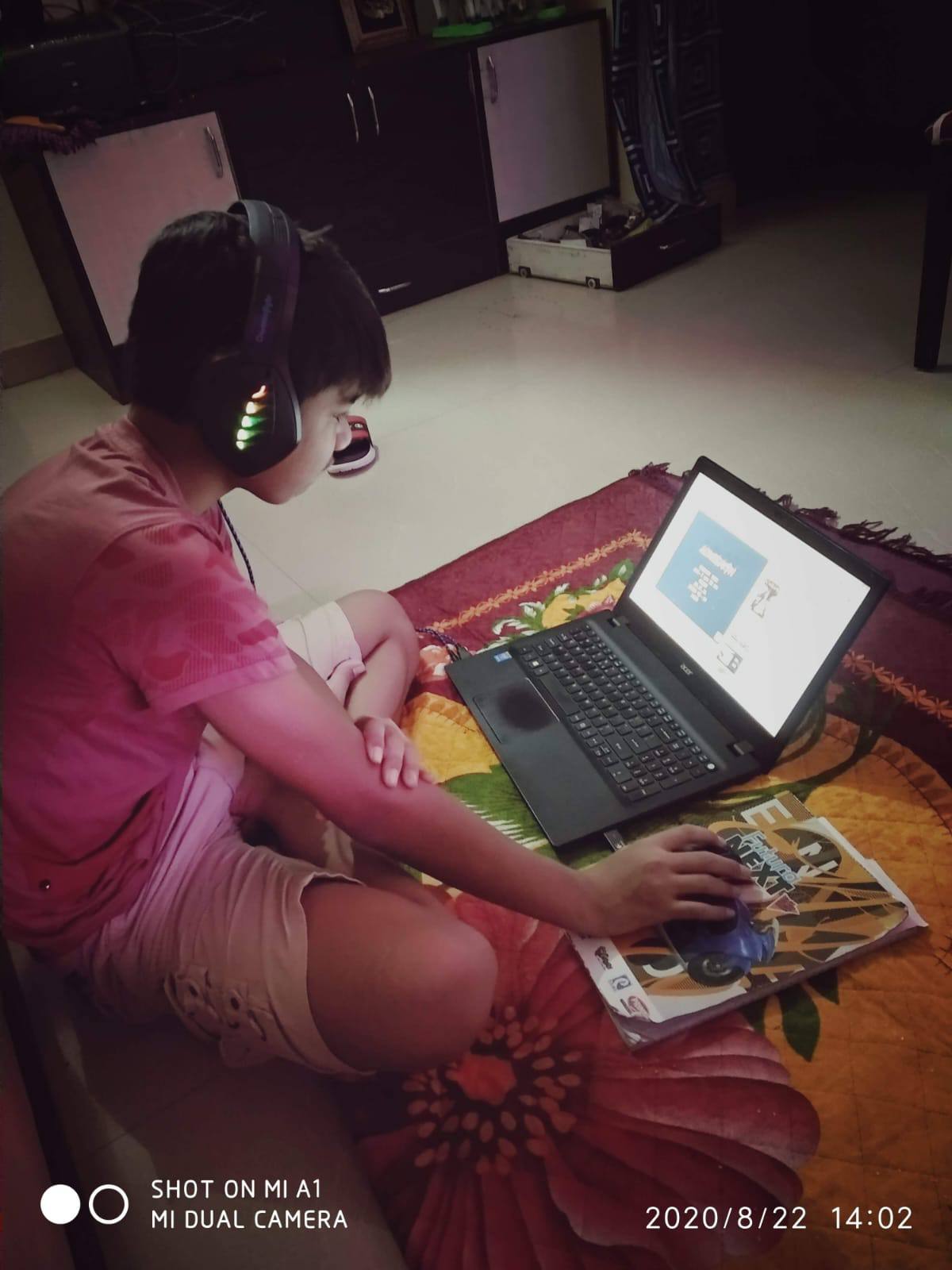
The photos are ordinary: chair, laptop, headphones, a room. But that was where stock markets, crypto, Python, and the self-learning loop started becoming real.
2020 / age 13
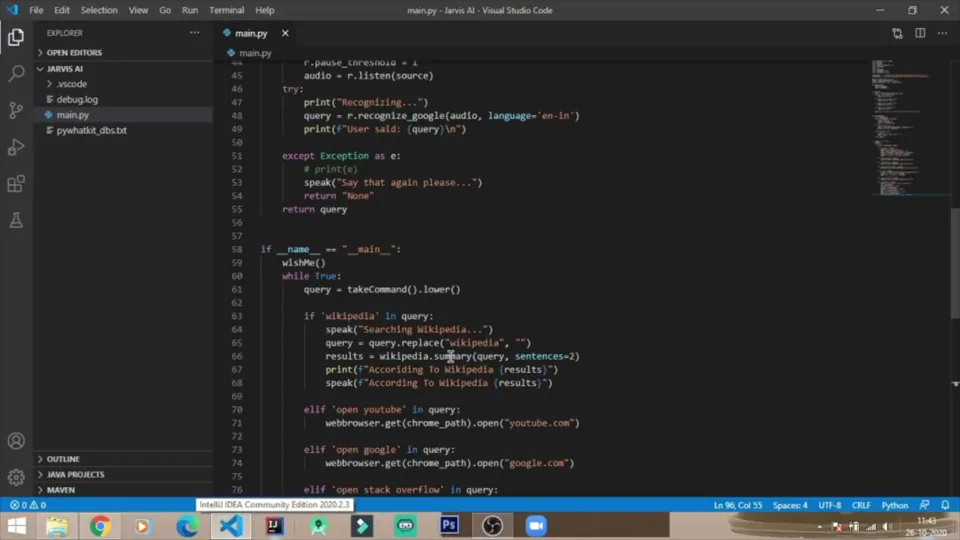
Bad interfaces, rough voice, real curiosity. I was not trying to look like a builder. I was trying to make the thing work.
2023 / age 16
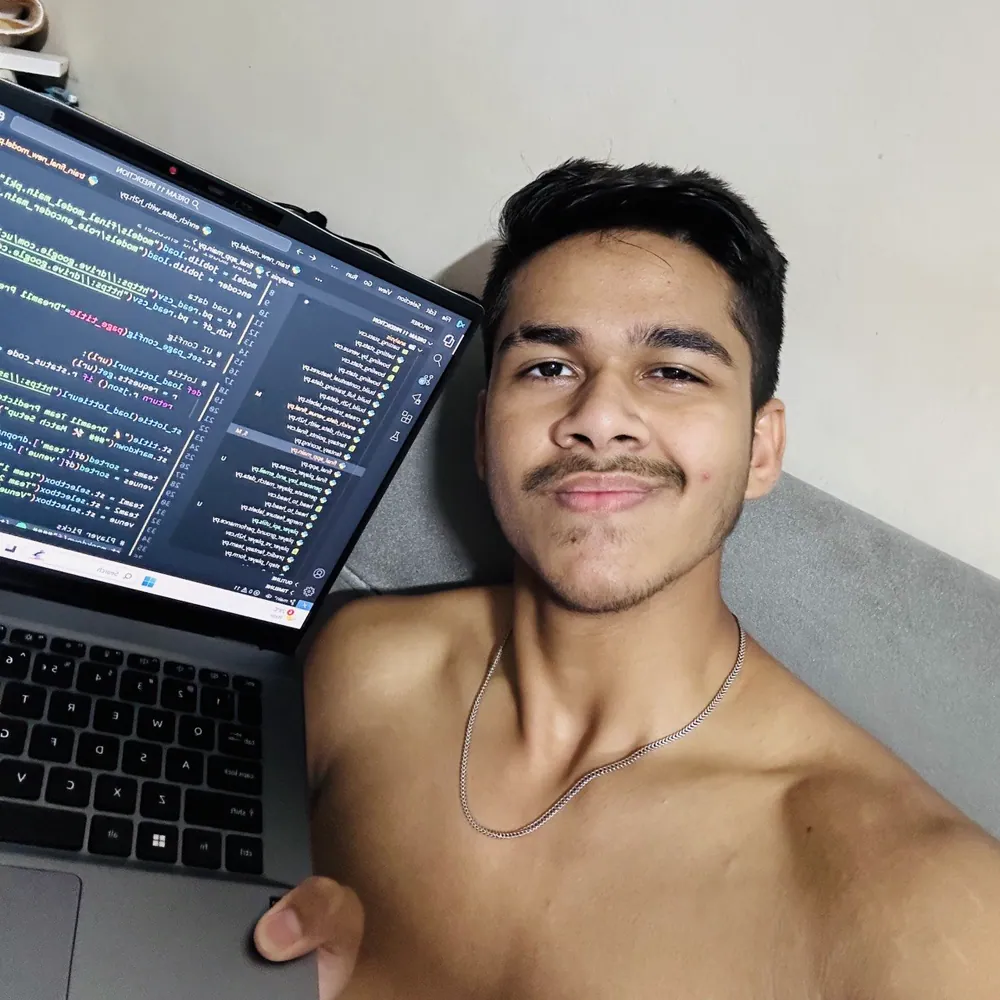
SMMA, dropshipping, the usual internet maze. It failed, but it taught me how offers, distribution, trust, leverage, and timing actually behave.
2023-2025

At first it was a tool: ask, get an answer, move faster. Then it became uncomfortable. If a machine could write, reason, code, and help me think, I did not just want to use it. I wanted to understand the mechanism underneath.
june 2025
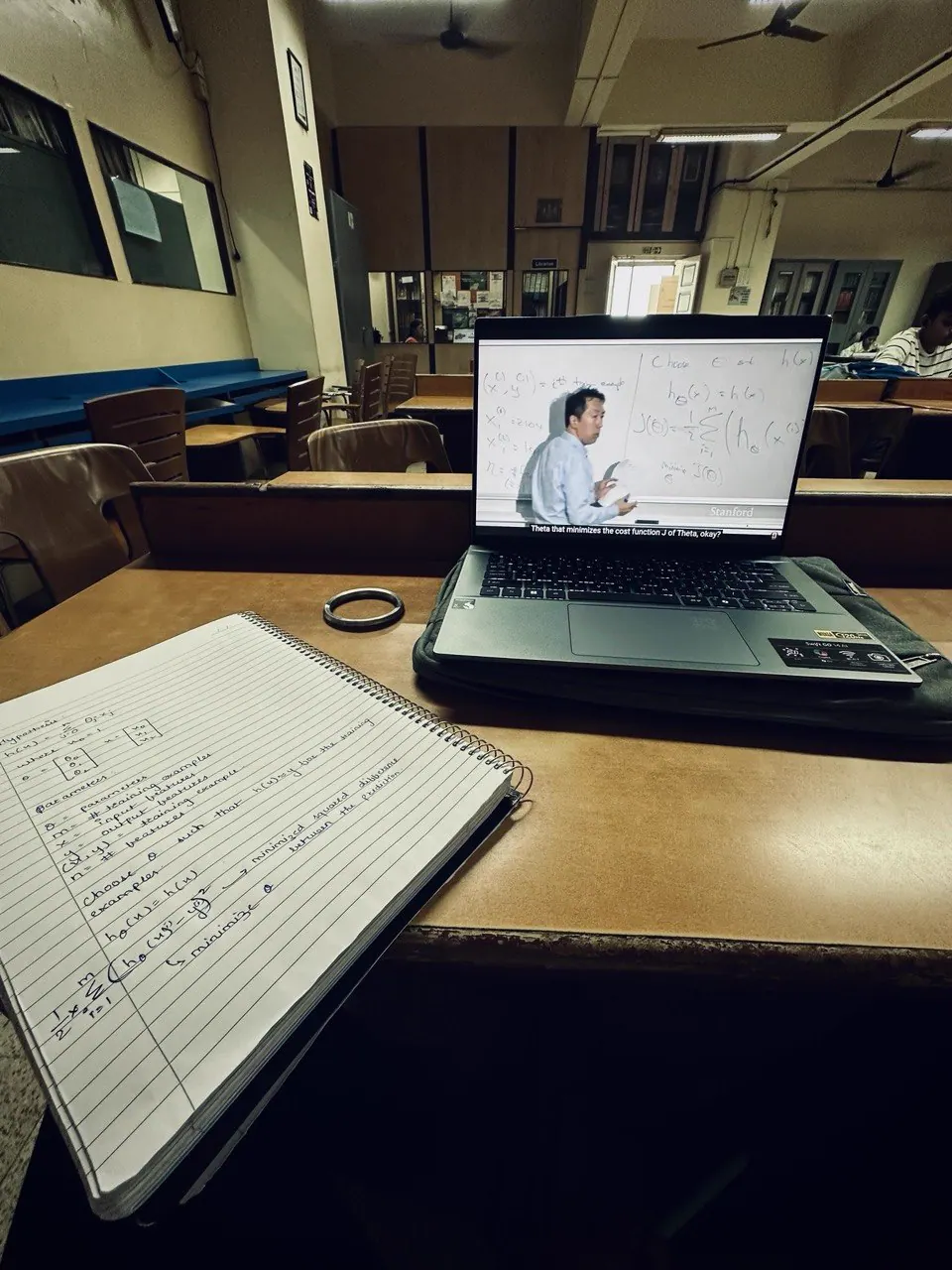
First it was random AI agents with LangChain. Then Andrew Ng's beginner ML course. Then CS229 with Andrew Ng and CS231n with Karpathy running side by side. Not a rebrand. Just time around the subject until the hidden parts started becoming visible.
2025-now
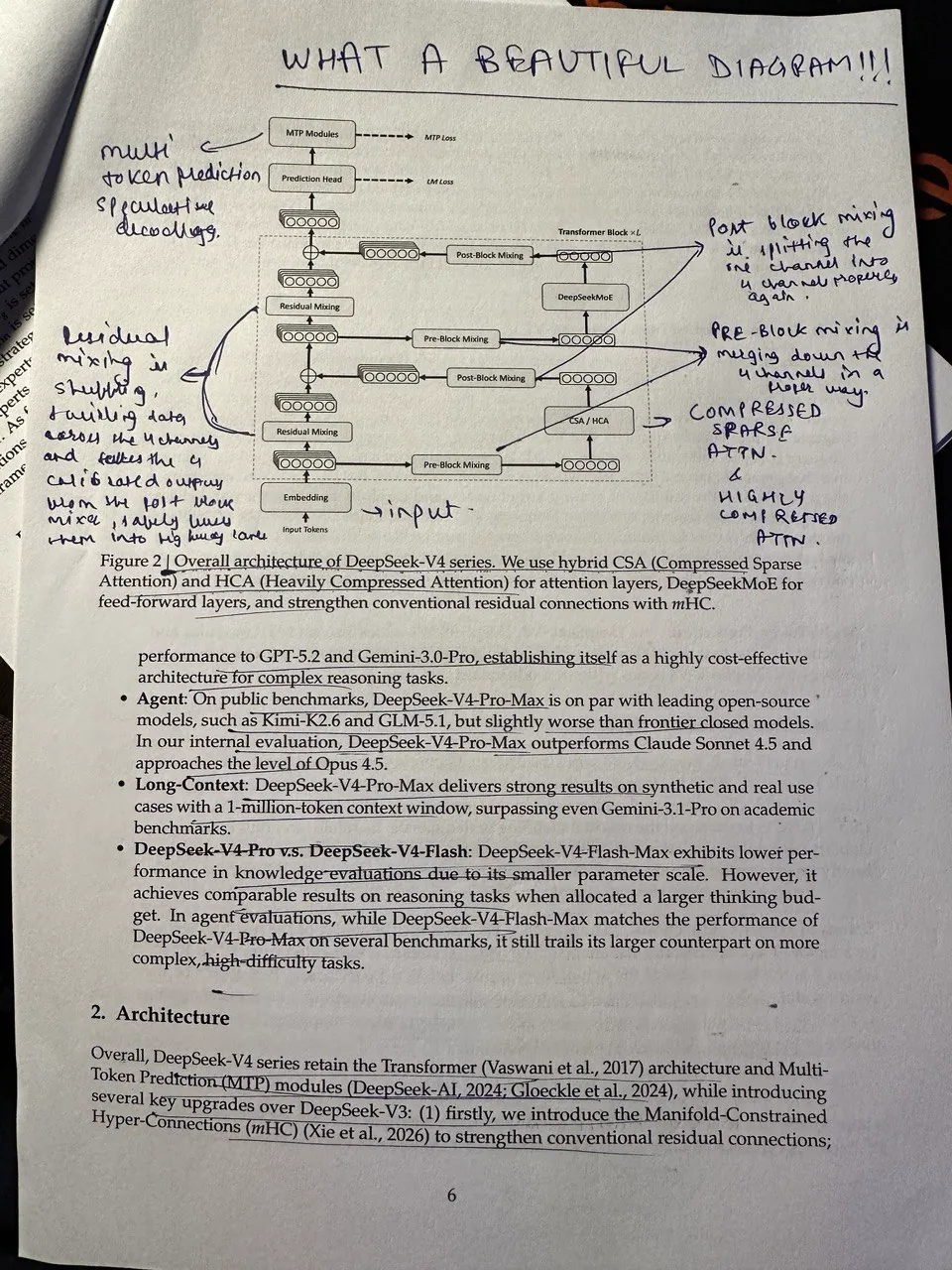
Karpathy's advice is the right frame: spend absurd time around ML. New papers, old classic papers, reading, understanding, implementing, building. Not collecting topics. Staying with the field long enough for taste to form.
now
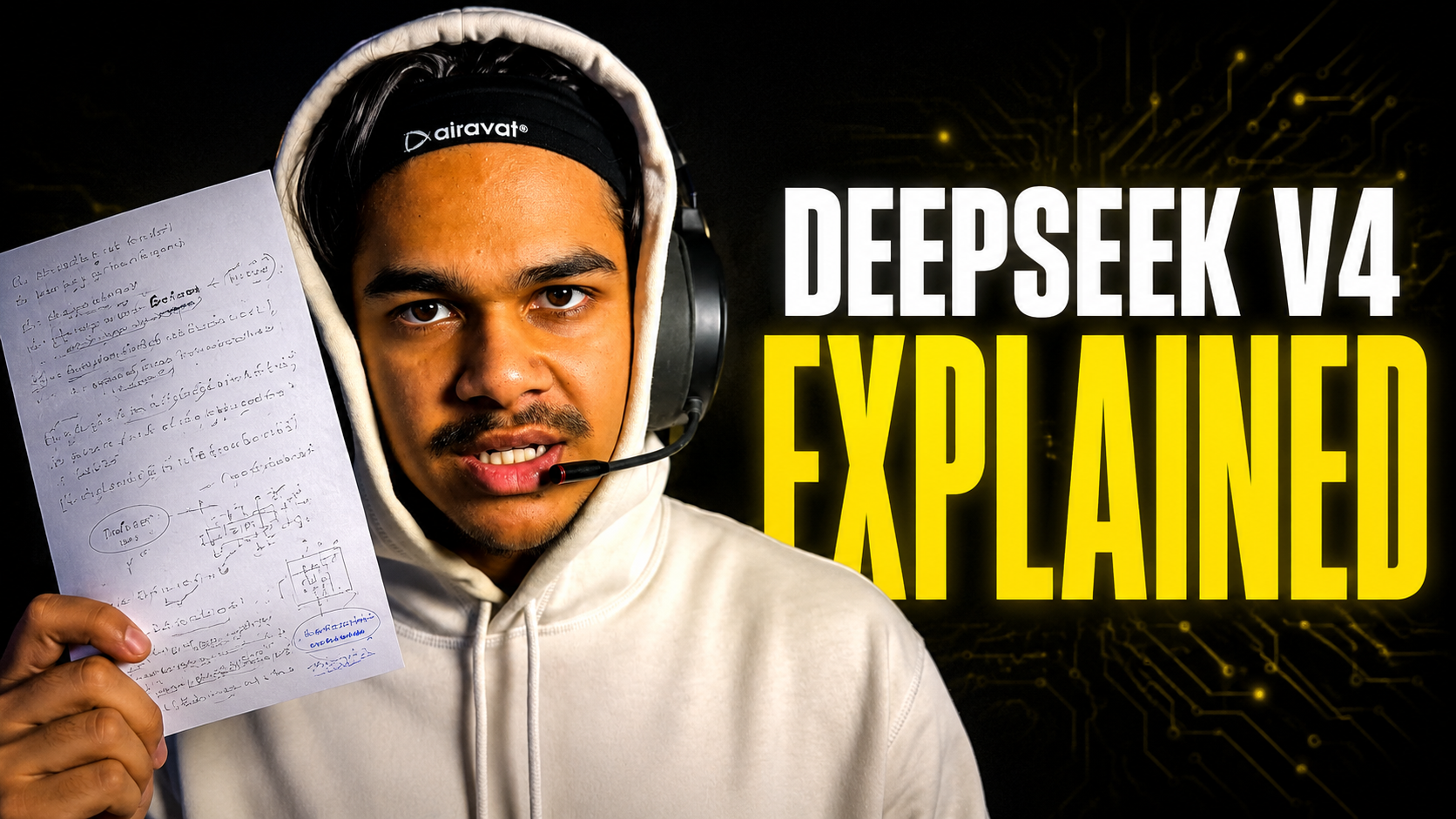
Machine Learning With Aaryan is where I explain ML while I am still close to the confusion. My personal channel is looser: self-improvement, training, discipline, and the rest of the life around the work.
direction
Markets gave me prediction. Business attempts gave me distribution scars. ML gives me a way to build systems that can actually scale.
voice
One of the first coding projects. Rough voice, rough screen, real starting point.
made
writing / notes from the work
Architectures, agents, and the bugs between the idea and the implementation. Short summaries here. Full articles on Medium.
My take on who gets to own the AI frontier, why closed labs worry about open models, and why access to personal intelligence should belong to everyone.
A walkthrough of compressed attention, shared caches, and the different work a model does when reading versus generating. The thread running through it: memory is a central constraint for long agent runs.
How inference compute can improve reasoning without adding parameters. I unpack chains of thought, voting across answers, search, and the verification problems that decide whether extra thinking actually helps.
The machinery that lets a model act: tools, context, memory, verification, recovery, and sandboxing. A practical explanation of the agent loop and why the system around the model matters for reliability.
From cleaning data and training a tokenizer to pretraining, scaling, and fitting the run across GPUs. A tour of the training pipeline and the engineering decisions behind a language model.
Building a hybrid LLM inference engine exposed bugs that compiled cleanly but ruined the numbers. Notes from tracing near-zero logits, checking intermediate values, and learning why a running pipeline is only the beginning.
moments
A visual archive, grouped by what the frame is actually proving. Tap any piece to open it properly.
01 / early
Small proofs from before code: initiative, calculations, movement, farms, and fitness before any of it had a name.
02 / lockdown
Markets, crypto, Python, first projects. Ordinary photos from the period where learning started compounding.
03 / deep work
Screens, notebooks, timelapses, lectures. The visible part is quiet because the useful part is mostly repetition.
04 / papers
Classic papers, new architectures, implementation notes. The page has to become messy before the idea becomes usable.
05 / builds
Models, tools, and systems. Not everything is equally important, but every one of them records a loop that got completed.
06 / outside
Portraits, training, and the physical thread. The site should not pretend the work happens in a vacuum.
now / updated
Building a Rust coding-agent harness around isolated changes, verification receipts, and explicit review.
Putting the Snapdragon NPU to work on local image and video enhancement, with reproducible measurements.
Explaining agent harnesses, inference internals, and model architectures on Medium.
The 10,000-hour ML problem: papers, implementations, lectures, and builds.
New research papers plus old classics. Printed when the mechanism matters.
Machine Learning With Aaryan for ML. Aaryan Kakad for self-improvement and the life around the work.
5 AM to 9 or 10 AM. Deep work before the day gets loud.
models, agents, video tools, and systems where the hidden mechanism matters.
Stocks, crypto, commodities, and the habit of thinking in incentives.
Gym every day. Code and weights both expose fake effort fast.
Use ML as leverage. Build companies that solve real problems at scale.
end